Understanding AC Capacity for Multi-Story Miami Homes
Published: 2026-07-06 · By AC Repair by FrostMasters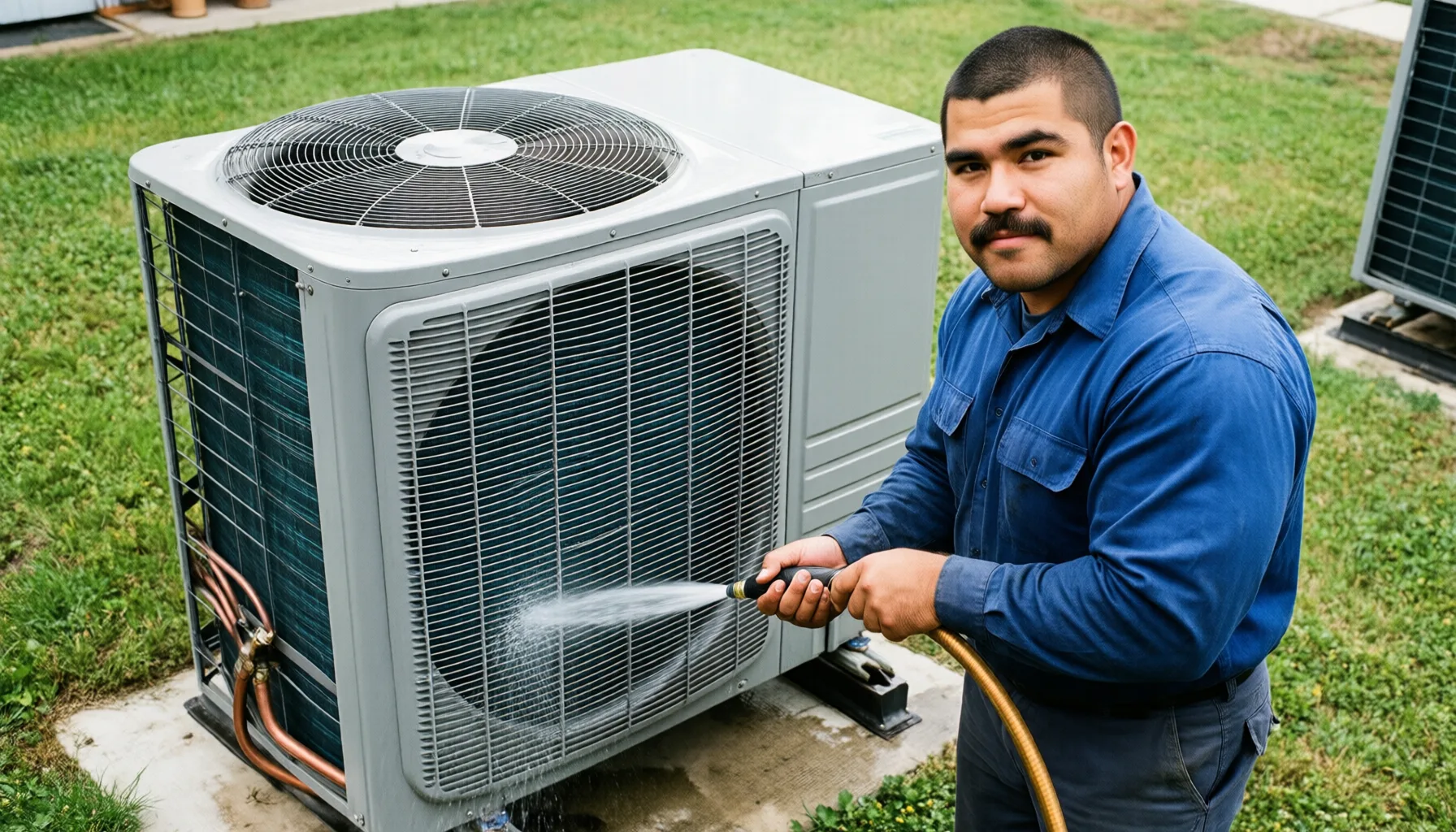
Imagine hosting a gathering in your elevated Miami home, the air thick with humidity and the salty breeze from the ocean wafting through your open windows. Suddenly, your air conditioning system falters, and the comfort you've promised your guests dissipates like the evening light. Understanding the capacity of your AC system is crucial, especially in the unique Miami climate where high humidity, coastal storms, and salt air can wreak havoc on your home. Here, we'll unravel the importance of sizing your air conditioning system correctly to not only keep your home cool but to ensure efficiency and longevity in such a challenging environment.
Why This Matters for Miami Homeowners
Miami's tropical climate presents specific challenges that homeowners must navigate. The combination of high humidity and salt air can lead to rapid corrosion of metal components in air conditioning systems, shortening their lifespan significantly. If your AC unit is undersized, it will struggle to maintain comfortable temperatures during peak heat, often running continuously. This not only elevates your energy bills but also increases the wear and tear on your equipment, potentially leading to premature breakdowns.
Over-sizing is a common mistake as well, leading to short cycling where the system turns off and on too frequently. This means your AC may not dehumidify your home properly, leaving you with a muggy environment and discomfort. That's why understanding your AC's capacity is particularly important for Miami homeowners.
Considering Miami's building codes, homes are often elevated to guard against flooding. These structural characteristics mean AC units may require additional considerations such as adequate support for installation and addressing challenges like moisture barriers. With these factors in play, having the right size AC unit becomes even more significant.
Expert Solutions & Actionable Tips
1. Consider What AC Capacity Means
AC capacity is measured in BTUs, or British Thermal Units, which determine how much heat the unit can remove from your home per hour. For Miami's hot climate, the ideal is to have 20 BTUs per square foot of living space. For example, a 1,500-square-foot home would ideally require a system rated at 30,000 BTUs.
Consult with experienced HVAC professionals to assess your home's specific layout, insulation quality, and window sizes to inform your capacity needs, ensuring your AC system is neither over- nor underwhelming for your requirements.
2. Humidity Control Technologies
Investing in modern AC technologies, such as variable-speed compressors, significantly aids in humidity control. These systems can modulate their output based on current conditions, providing a better balance between cooling and dehumidification.
Keep in mind that these advanced systems might have a starting cost around $3,000 to $4,500 but can lead to lower energy bills and fewer repair issues over time, making them a wise choice for Miami residents.
3. Regular Maintenance is Key
Regular maintenance in Miami is non-negotiable due to the unique local climate. Schedule seasonal inspections and cleanings to stave off the effects of salt air and humidity, which can lead to corrosion and mold buildup.
Plan for maintenance costs to typically range from $75 to $150 per service. This small investment can dramatically extend your AC's lifespan and enhance its performance.
4. Understand Local Building Regulations
Miami homeowners should always consider local building codes when installing or upgrading an air conditioning system. Regulations may dictate specific guidelines for AC installations, such as requiring units to be elevated or certain types of condensate drainage systems to combat local moisture issues.
Before beginning any work, acquire the necessary permits, as compliance ensures your system operates efficiently and reduces the risk of future complications that could arise from improper installations.
5. Condensation Management
Proper management of condensation is vital in a coastal city like Miami. Inadequate drainage can lead to serious issues, including mold growth and structural damage. Make sure condensate lines are free from clogs and that they drain adequately.
Routine checks on these systems can be done quarterly and help prevent costly repairs stemming from moisture problems, ultimately saving you from complications in your household.
6. Consider Your Home's Insulation
The effectiveness of your air conditioning system is greatly impacted by the insulation within your home. Poor insulation may lead to excessive cooling requirements, causing your AC to work harder, which could lead to higher energy costs and a shorter lifespan for the unit.
Invest in energy audits that could cost you around $300, giving you insights into your home’s insulation effectiveness, helping you to make informed decisions on necessary upgrades or improvements.
Miami Climate & Local Context
Miami's tropical climate is characterized by year-round warmth and high humidity levels. Homes here, especially elevated structures, face additional risks from moisture and salt that can lead to corrosion of AC systems. Building codes often require elevated units to mitigate flood risks, meaning Miami homeowners must invest in systems that can handle environmental stressors effectively.
Moreover, the prevalence of hurricanes and tropical storms adds another layer of complexity, requiring robust systems that can withstand extreme weather. Compliance with local regulations not only adheres to safety standards but also impacts the efficiency and longevity of your AC setup.
When to Call a Professional
While some DIY solutions exist, many situations in air conditioning repair necessitate calling in a professional. Understanding when to seek help can save time and cost.
- Persistent warm areas in your house despite running the AC
- Unusual noises coming from the unit
- Unpleasant odors during operation
- Water pooling around the unit
- Frequent need for repairs
- Unexpected spikes in energy bills
In Miami, the tropical climate can turn a small issue into a significant problem quickly, which is why knowing when to call a professional like AC Repair by FrostMasters is crucial.
Frequently Asked Questions
How often should I service my AC unit in Miami?
In Miami's humid climate, it's advisable to schedule AC maintenance at least twice a year to ensure optimal performance and longevity.
Can I install an HVAC system myself?
While some homeowners attempt DIY installation, Miami's local codes and the complexities involved in properly setting up a system make hiring a professional a better choice.
What are signs my air conditioner might need repair?
Signs such as inconsistent temperatures, odd noises, or frequent cycling may indicate your AC needs repair. Don't delay in addressing these issues.
How can I reduce my AC's energy consumption?
Regular maintenance, investing in a programmable thermostat, and ensuring proper insulation can help reduce energy consumption significantly.
Is humidity control important for my AC system?
Yes, especially in Miami. An AC system that effectively manages humidity can improve comfort and extend the life of the appliance.
Get Expert Air Conditioning Repair Service in Miami
Don't let the Miami heat get the best of you. For expert air conditioning solutions tailored to your multi-story home, reach out to (305) 686-2338. AC Repair by FrostMasters is here to ensure you stay cool and comfortable throughout the year!
Call us today and discover how we can help enhance your indoor climate.