The Connection Between Insulation and AC Performance in Miami
Published: 2026-07-06 · By AC Repair by FrostMasters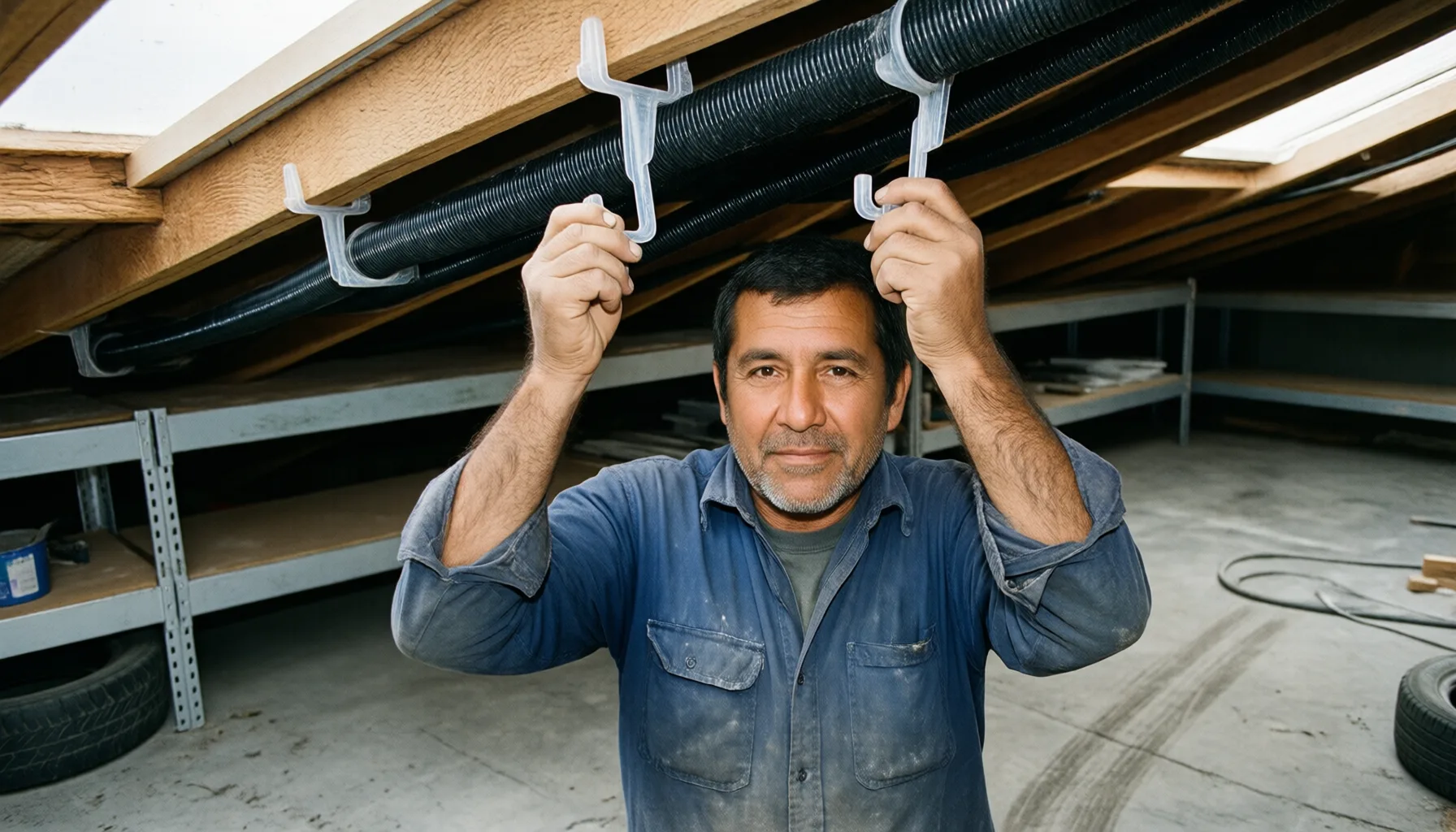
Picture this: it’s mid-summer in Miami, and the humidity is wrapping around you like a wet blanket. The sun beats relentlessly, forcing the air conditioner to work overtime just to keep your home comfortable. But what if your air conditioning system is struggling to maintain a cool climate? The problem might not just be the unit itself but rather the insulation and air barriers throughout your home. As Miami’s tropical climate brings with it salt air and intense storms, the way your home is insulated can significantly impact AC performance and energy efficiency.
Why This Matters for Miami Homeowners
In a city like Miami, where the weather is both a blessing and a curse, homeowners face unique challenges that can impact their air conditioning systems. High humidity levels can make indoor spaces feel clammy, leading residents to crank up the AC. This can increase energy bills and put extra strain on your system. Additionally, Miami's coastal environment exposes homes to salt air, which can corrode metal fixtures and insulation materials. Over time, inadequate insulation can lead to uncomfortable living conditions and costly repairs.
Another concern is the potential for moisture damage. Elevated homes in Miami often have specific moisture barriers, but if these barriers aren’t functioning correctly, they can allow humid air to seep into your living spaces. This can heighten energy usage and decrease indoor air quality. Understanding the correlation between insulation quality and AC performance is crucial for any Miami homeowner, especially when trying to maintain a comfortable environment in the summer heat.
Expert Solutions & Actionable Tips
1. Assess Your Insulation Type
Different types of insulation perform variably in Miami's humid environment. For instance, fiberglass batts may struggle over time due to moisture absorption, whereas spray foam can provide an effective barrier. An inspection could cost between $100 to $300, depending on the size of your home.
Consult with a local expert to evaluate whether your insulation is suited to combat salt air corrosion and humidity. Don’t wait until you notice significant drops in temperature or rising energy bills.
2. Seal Air Leaks
Even the best insulation won't do much good if there are gaps and leaks in your home's structure. Look for drafts around windows, doors, and other openings. Sealing these leaks can cost about $150 to $500, depending on the extent of the work needed.
By addressing air leaks, you can reduce your cooling costs by as much as 20%, making this a cost-effective measure in the long run.
3. Upgrade to Climate-Resilient Materials
Considering Miami's unique climate, opting for corrosion-resistant materials can be a wise investment. Metal fixtures and insulation exposed to salty air can suffer damage over time.
While the cost of upgrading materials may vary, expect to pay anywhere from $1,000 to $5,000 for comprehensive insulation replacement. Investing now could save you on costly repairs later, especially as storm seasons approach.
4. Consider an Energy Audit
An energy audit can highlight inefficiencies in your home’s insulation and cooling system. This process generally costs between $200 and $600 but can lead to significant energy savings. In a Miami context, this is especially crucial given the high demand for cooling.
After the audit, you will have targeted repair opportunities that can drastically improve your AC's performance and reduce energy bills.
5. Regular Maintenance is Key
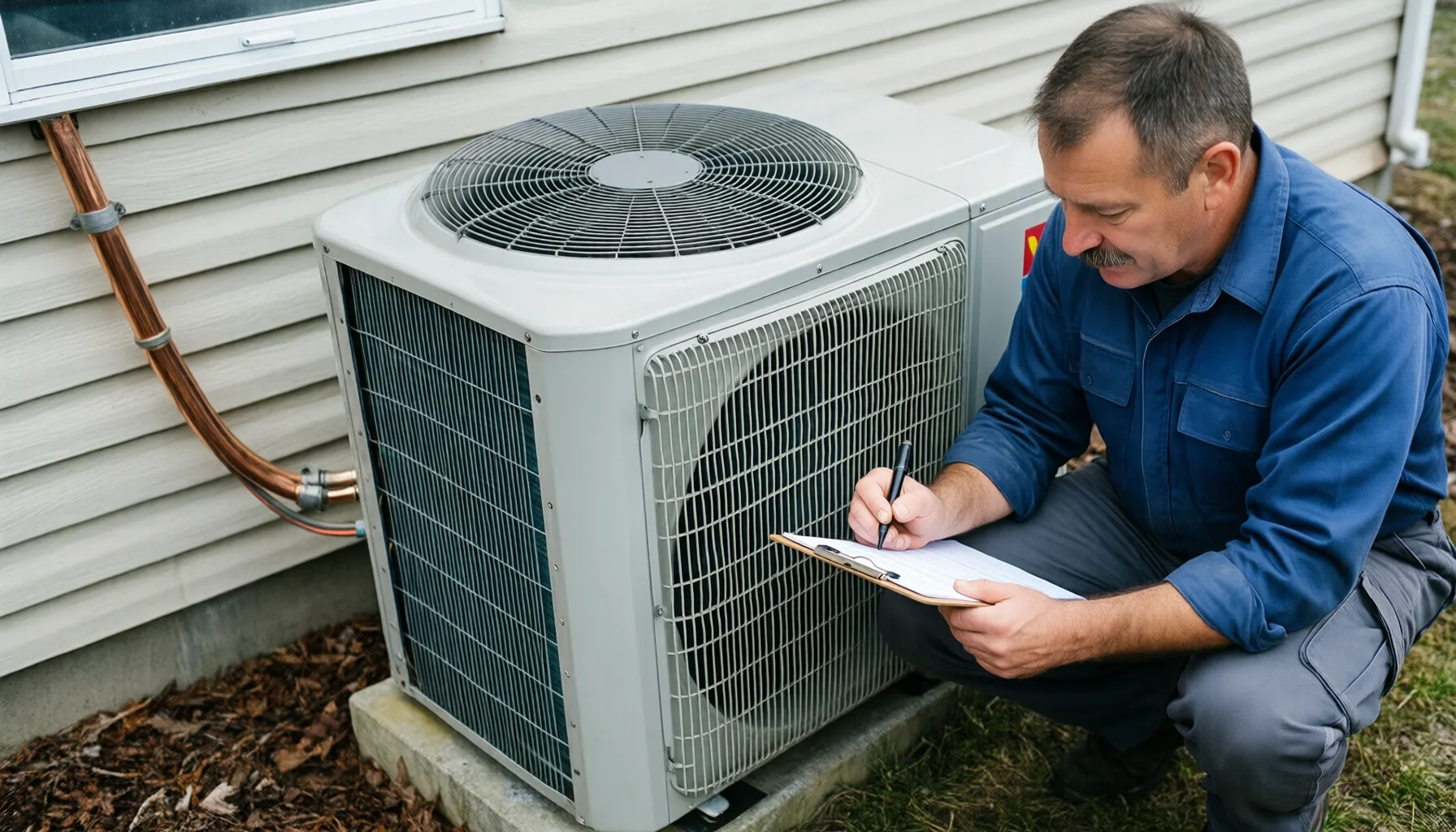
Regular maintenance checks of your AC unit can keep it running efficiently. Schedule professional inspections at least twice a year for about $75 to $150 each visit. This will allow technicians to catch potential issues before they escalate.
Regular servicing also extends your system's lifespan, which is especially important during Miami’s intense summer months when AC usage is at its highest.
6. Invest in Smart Thermostat Technology
Smart thermostats help manage energy consumption by allowing you to set schedules and adjust temperatures remotely. This technology generally costs between $120 and $250 to install but can lead to a reduction in energy bills of around 10-15% over time.
In Miami, where energy costs can be significant during peak summer days, this investment can optimize your AC's performance effectively.
Miami Climate & Local Context
Miami's tropical climate presents several challenges when it comes to home maintenance and air conditioning repair. Elevated homes often come equipped with moisture barriers; however, these must be effectively maintained to ensure they perform their crucial function. As the salt air weaves its way into the fabric of our homes, corrosion becomes a real threat, damaging not just AC units, but the structures themselves. Local building codes often require the highest quality materials and insulation methods, especially for coastal properties.
Understanding these codes is essential for Miami homeowners looking to maintain their properties. Not only do they help optimize insulation and AC systems, but they also enhance safety and durability against tropical storms and hurricanes. By investing in high-quality insulation and regularly checking your systems, you can significantly improve comfort and security in your home.
When to Call a Professional
While some DIY tasks might seem appealing, there are times when calling a qualified professional is essential. Be wary of handling major insulation repairs or AC system checks if you lack the necessary skills or tools.
Here are some scenarios where it’s wise to leave repairs to an expert:
- Inadequate cooling despite running the AC.
- Visible moisture or mold growth in your home.
- Corroded electrical connections or fixtures.
- Persistent high energy bills without clear cause.
- Damaged ductwork or ventilation issues.
- Problems with the thermostat or control systems.
In these cases, a qualified technician from AC Repair by FrostMasters can efficiently diagnose and resolve the issue, ensuring that your home remains comfortable while preserving its value.
Frequently Asked Questions
How often should I replace my insulation in Miami?
Insulation typically lasts for 20 to 30 years, but in Miami’s salty environment, it may need replacement sooner. Regular inspections will help determine its condition.
Can insulation impact my energy bill?
Absolutely. Proper insulation can reduce your cooling costs by up to 20%, making it a wise investment for Miami homeowners.
What type of insulation is best for coastal areas?
Foam insulation is often recommended for coastal homes due to its resistance to moisture and salt corrosion, unlike traditional fiberglass.
How do I know if my AC needs servicing?
If you notice inconsistent temperatures or rising energy bills, it may be time to schedule a service visit to diagnose any underlying issues.
Will upgrading insulation help during hurricane season?
Yes, improved insulation can provide better protection against moisture and wind damage, crucial during hurricane season here in Miami.
Get Expert Air Conditioning Repair Service in Miami
Don’t let insufficient insulation hinder your air conditioning performance this summer. If you suspect your home needs an upgrade, reach out to AC Repair by FrostMasters. Our experts understand the unique challenges of Miami's climate and can help improve your indoor comfort.
Contact us today at (305) 686-2338 to discuss how we can assist you with your AC needs and ensure your home remains a cool retreat amidst the Miami heat.